
How Kite Plans a Trip
Describe your trip in one sentence. An AI travel team proposes the route, days, stays, and budget — you approve every step, and it renders in 3D.
Booking a flight is easy. Deciding where to go, in what order, for how long, and whether the whole thing fits your budget is the part that eats your evenings.
The numbers on that are worse than they feel. Expedia Group's research with Luth Research clocked travelers spending over five hours with travel content in the 45 days before booking: 141 pages of it on average, and as many as 277 pages for travelers in the US. Google's 2016 research with Ipsos found that work split across both apps and mobile sites, spread over sixteen distinct tasks: comparing flights, checking times, sizing up places to stay, hunting discounts, and looking up what to do once you land. CivicScience found that 71% of US adults who make travel arrangements call the process at least somewhat stressful. After 277 pages, that reads like an undercount.
We built Kite to collapse all of that into one conversation. Here's what actually happens when you plan a trip with it.
You describe the trip in a sentence
No forms, no wizard, no fifty-field questionnaire. You say what you want the way you'd say it to a friend:
Two weeks in Japan, cities and temples, we like food and hate rushing.
That one line is enough for the work to begin. It carries a duration, a region, two interests, and a pace. The pace matters as much as the rest, because "hate rushing" is the constraint that stops a planner from stacking four cities into nine days.
37% of Americans planning to travel this summer are already using AI to help plan, per Allianz Partners' Global Travel Confidence Index. What most tools hand back is a wall of text you still have to turn into a trip yourself. Kite hands back a plan you can see, steer, and take with you.
Your AI travel team gets to work
Behind that one sentence is not a single chatbot but a team of specialists, each with one job. You see them by name as they work:
- The Trip Architect maps the shape of the trip: which places, in which order, for how many nights. This is the decision that quietly determines whether everything after it is any good: get the sequence wrong and you spend the week doubling back across a country you were supposed to be enjoying.
- The Destination Planner fills each day, mixing the landmarks you'd expect with the smaller finds you wouldn't, paced to the trip you actually described rather than a maximal version of it.
- The Accommodation Finder (that's the label you'll see in the app) suggests where to stay in each place, picked to sit close to that day's plan instead of a cab ride away from it.
- The Budget Agent doesn't take a turn in the conversation the way the others do. It runs alongside them, keeping a live ledger as the trip takes shape and flagging it early when the plan starts drifting past what you set out to spend, while there's still room to trade a night in an expensive city for two somewhere cheaper.
They hand off to each other the way a good travel agent's whole office would, except it happens in seconds, inside one conversation, and you can watch it happen.
You approve every step
Here's the part we care most about: the agents propose, and you decide.
Only 8% of travelers are comfortable booking through an AI platform, and 66% would not trust an AI assistant to buy or book on their behalf, per Expedia Group's AI Trust Gap study with YouGov. That caution is healthy. So Kite never books anything on its own, and it never quietly rearranges a plan you already agreed to. Every suggestion arrives as something you accept, adjust, or wave off.
That changes what the AI is for. It isn't an autopilot you have to wrestle for control of. It's the fastest planner you've ever worked with, doing the tab-opening and the cross-referencing while every decision that shapes the trip stays yours.
Changing your mind is part of the plan
First drafts are drafts. Tell Kite to give day four a slower morning, swap one city for another, or keep the whole thing under a number you name, and the affected part of the itinerary gets rebuilt around the change rather than bolted onto the end of it. The budget total re-runs. The days you were happy with stay where you left them.
This is where a lot of those 277 pages actually went, not to finding options in the first place, but to redoing the plan every time one thing moved.
Then you watch the whole thing
When the plan comes together, Kite doesn't hand you a spreadsheet. It puts your trip on a 3D satellite globe: every stay, every day's route, the real distance between the temple and the ramen shop. The shape of the trip becomes something you look at instead of something you assemble in your head. From there it can fly the itinerary end to end as a cinematic tour, and the trip travels as a link you can send to whoever you're going with.
That's the whole idea behind Kite:
See your trip before you go.
Not a list of place names. The actual arc of the journey, rendered, before you've packed a bag.
Try it yourself
Want to see the output before you write your own sentence? How to Plan a 2-Week Japan Trip with AI walks through a full itinerary this team built, and the Journal has more of them: Iceland's Ring Road, Patagonia, and Southeast Asian street food. Each one can be cloned into your own account and edited from there. If you'd rather have your questions answered first, the FAQ covers how accurate the suggestions are, what happens to your trip data, and whether you can bring a plan you've already started.
Otherwise: describe your next trip in a sentence and watch your AI travel team build it around you. No credit card, no booking pressure, no five hours and 277 pages.
Let your trip take flight.
Related trips

Southeast Asia Street Food: Bangkok to Hanoi in 14 Days
A two-week food crawl across Thailand and Vietnam — pad thai at 6am, banh mi at midnight, and every market in between.
Read about this trip
Patagonia in 10 Days: Glaciers to Wine
Torres del Paine to Mendoza — ten days from windswept granite spires to high-altitude Malbec country.
Read about this trip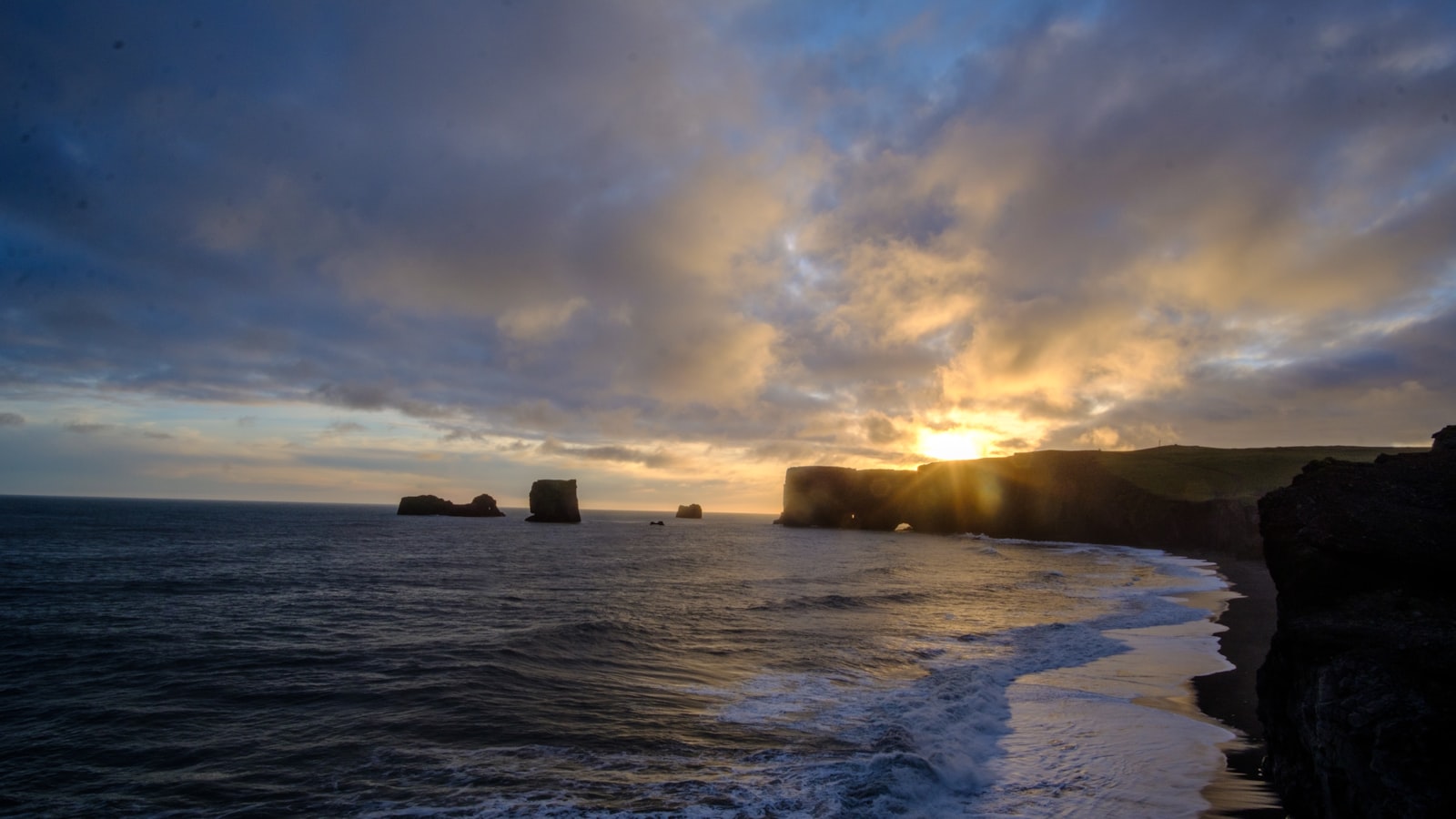
Iceland's Ring Road in 9 Days
A counterclockwise loop around the entire island — waterfalls, fjords, geothermal pools, and zero highway driving over 90km/h.
Read about this trip